
Discover

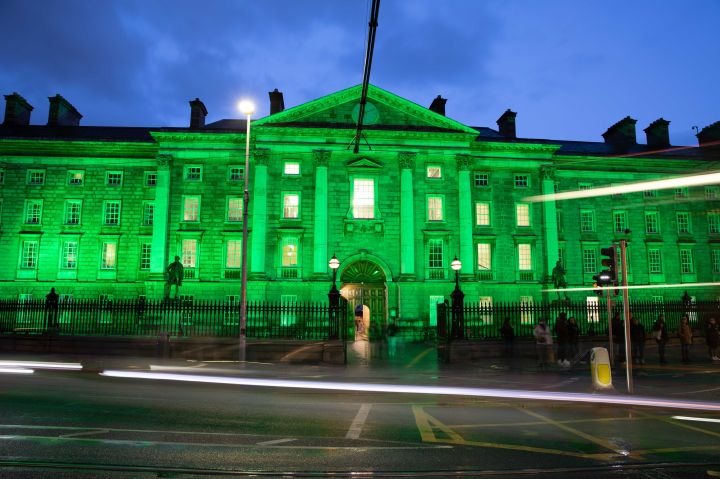
St Brigid’s Day in Ireland, celebrated on the 1st of February, marks Imbolc, the ancient Irish festival that welcomes spring and the return of light. Often understood to mean “in the belly”, Imbolc reflects the themes of new life, hope and renewal. It now holds a special place as Ireland’s first public holiday dedicated to their matron saint.
At Trinity College Dublin, St Brigid’s Day offers a moment to reflect on the enduring influence of female scholars across Irish history, culture, and creativity. From ancient mythology to modern academia and art, Brigid’s light continues to illuminate stories of leadership, imagination and innovation woven through Trinity College Dublin’s heritage.
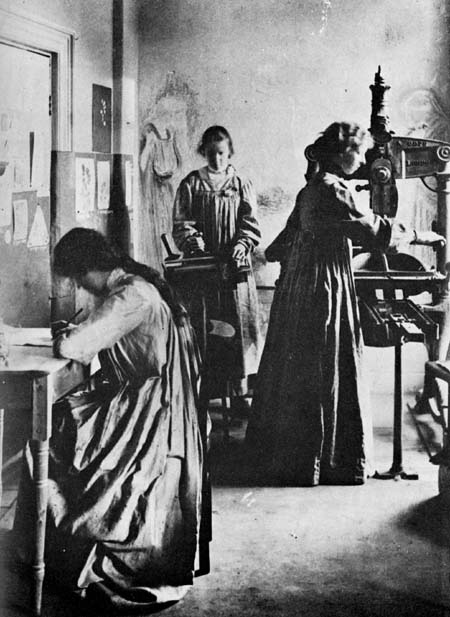
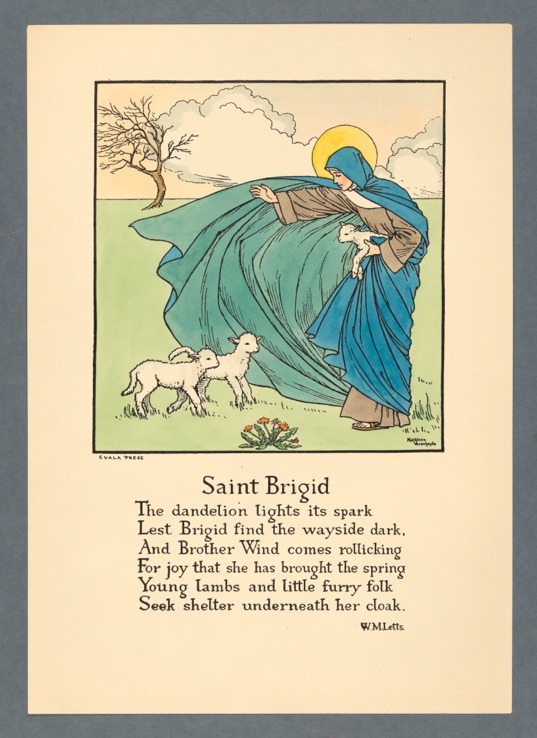
Visitors to the Book of Kells Experience will encounter illustrations from the Cuala Press in the Red Pavilion. The Cuala Press were pioneering contributors to Irish art and culture during the early 20th century under the tutelage of the Yeats sisters. The Cuala Press was run entirely by women and focused on publishing new works rather than established classics. It produced beautiful books and other printed materials, often featuring illustrations and designs that reflected the Arts and Crafts movement. Within the Book of Kells Experience, visitors will see several animated illustrations come to life in the Red Pavilion, one of which is a hand coloured photoengraved print dedicated to St Brigid.
Book your visit to the Book of Kells Experience today.
The Light of Brigid – Myth, Meaning, and Renewal
The figure of St Brigid of Ireland came about from the merging of the Celtic goddess Brigid and St Brigid of Kildare, one of Ireland’s matron saints. Both are closely associated with creativity, healing, protection, and craft. As a goddess, Brigid was revered as a matron of poetry and learning; as a saint, she became known for her leadership, generosity, and care for community. Together, these traditions form a powerful symbol of female creativity, independence and strength.
Art and Legacy – Female Sculptures in the Long Room
Few places are as closely associated with Trinity College Dublin as the Long Room in the Old Library.
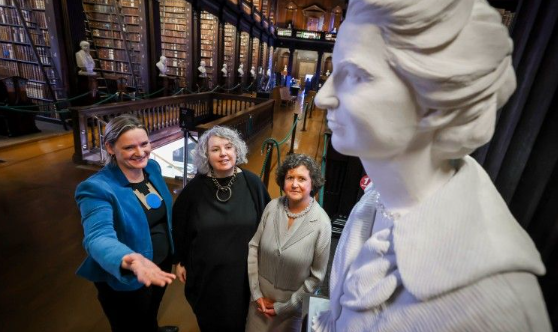
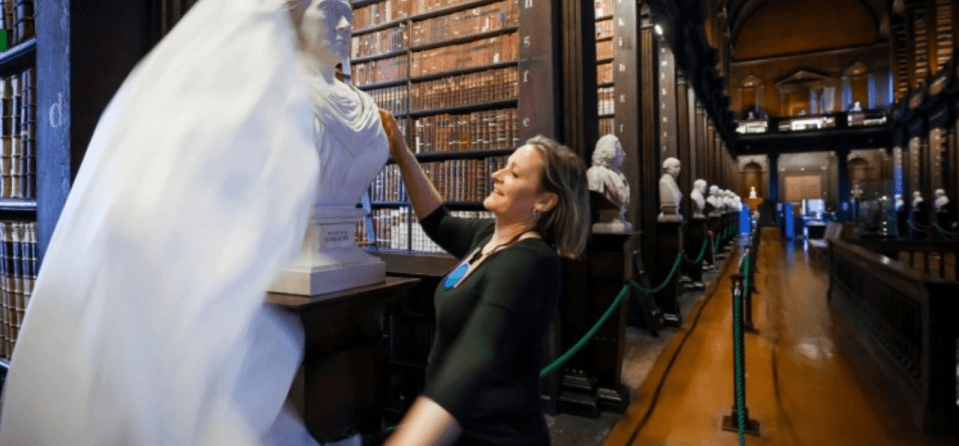
For St Brigid’s Day in 2023, Trinity installed four new sculptures in the Long Room to honour the scholarship of four trailblazing women.
The women represented are the scientist Rosalind Franklin, the folklorist, dramatist and theatre-founder Augusta Gregory, the mathematician Ada Lovelace and the pioneering women’s rights advocate Mary Wollstonecraft.
These sculpture portraits were the first to be commissioned for the Long Room in more than a century, and the first portraits of women to be displayed there.
The sculptures are the work of four accomplished artists: Maudie Brady (Ada Lovelace); Rowan Gillespie (Mary Wollstonecraft); Vera Klute (Rosalind Franklin) and Guy Reid (Augusta Gregory).
Plan your visit to the Long Room here
The Political and Cultural Force – The Yeats Sisters
The story of Susan (“Lily”) Yeats and Elizabeth (“Lolly”) Yeats captures the powerful intersection of art, craft, and cultural change in Ireland during the early 20th century.
Artists, craftswomen, and pioneering entrepreneurs, the sisters played a central role in the Irish Literary Revival through their work at the Cuala Press. Run entirely by women, the Press created rare opportunities for women to develop professional skills in printing, publishing, and design.
Cuala Press produced works that blended artistic excellence with national identity. One striking example is the Kathleen Verschoyle Saint Brigid print from the 1920s, reflecting Brigid’s enduring symbolism as a figure of creativity and strength. Philosophically, the work of the Yeats sisters aligned closely with the ideals behind the 1916 Rising.
Visitors can see an original copy of the Proclamation of the Irish Republic as part of the Book of Kells Experience, where it forms part of a wider story about Ireland’s artistic, political, and linguistic heritage. The legacy of the Cuala Press is also explored through features and animations in the Red Pavilion, and through beautiful Cuala prints available in the Trinity Gift Shop.
Plan your visit
Explore the Old Library and the Book of Kells Experience, join a guided walk with Trinity Trails, or discover more stories on Visit Trinity.