
Discover
Dublin as a Literary City
Dublin’s literary heritage is defined by leading figures and Trinity College Dublin graduates such as James Joyce, Oscar Wilde, W.B. Yeats, Samuel Beckett, and pioneering female writers like Eavan Boland, Sally Rooney and Anne Enright. Many of the manuscripts, archives and collections of these world-renowned writers are preserved in the National Library of Ireland or the libraries of Trinity College Dublin, offering visitors a tangible connection to their enduring work. Designated a UNESCO City of Literature in 2010, Dublin has produced Nobel Prize winning writers and hosts key institutions such as Trinity College Dublin, the Abbey Theatre, and the National Library, each within walking distance of one another. Trinity College Dublin is at the core of the experience, whose scholars, graduates, and collections place it firmly at the centre of Ireland’s literary story.
James Joyce and Dublin’s streets
No writer is more closely linked to Dublin than James Joyce. In Ulysses and Dubliners, he refers to real streets, bridges, and businesses with striking accuracy, grounding his stories in places you can still visit today. Walk from Grafton Street to the River Liffey, cross O’Connell Bridge, or visit Trinity College Dublin, where Joyce studied. All of these locations feature prominently in his work, and you start to recognise the city he described. Exploring the city this way reveals the layers of culture and history embedded in every street.
“I want,” said Stephen, “to give a picture of Dublin so complete that if the city one day suddenly disappeared from the earth it could be reconstructed out of my book” Ulysses – 1922.
Plan your exploration here.
Samuel Beckett and modern Irish writing
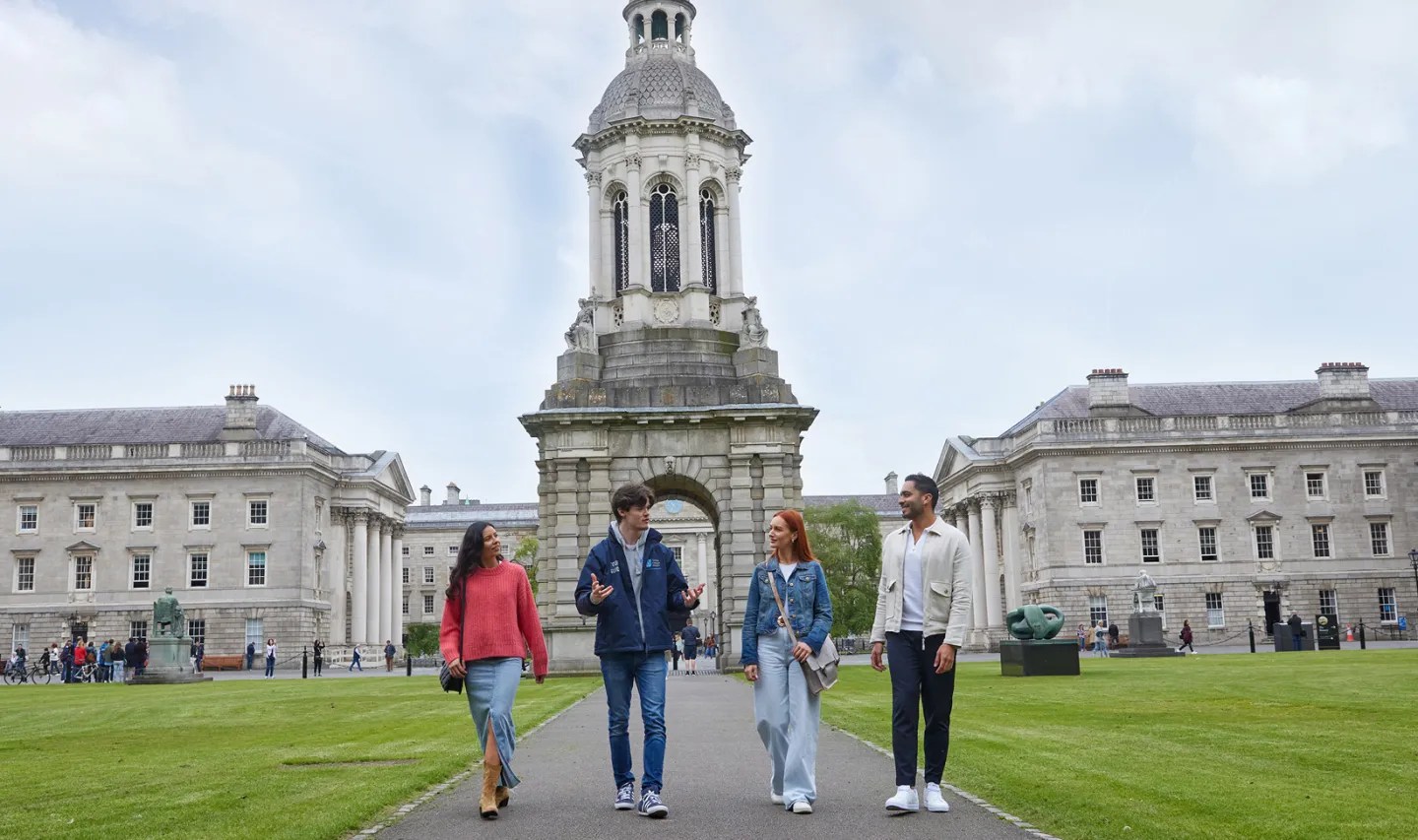
Samuel Beckett’s early years in Dublin had a lasting influence on his work, even though his career later took him across Europe. He studied and lectured at Trinity College Dublin, where he developed the disciplined, analytical approach that shaped his writing. Walking through Front Square, with its wide Georgian façades and quiet symmetry, or following the Trinity Trails past the Samuel Beckett Theatre, you can imagine the academic and cultural world that informed Beckett’s thinking. Trinity College Dublin itself contains many subtle links to Beckett, from the lecture theatre she once taught in, to areas he frequented as a student, all of which shaped associations with his writing style, even if his later plays and novels rarely name specific places.
‘Normal People’ and Sally Rooney
Both Normal People and Conversations with Friends vividly capture student life at Trinity College Dublin. Rooney traces intense friendships, first loves, exam pressures, and the quiet dramas unfolding in lecture halls, libraries, and cobbled squares. There is a sense of nostalgia for past students and those familiar with the campus, as you see Connell and Marianne pass the historic campus buildings, which feature prominently in the novel and hit series.
Irish writers connected to Dublin and Trinity
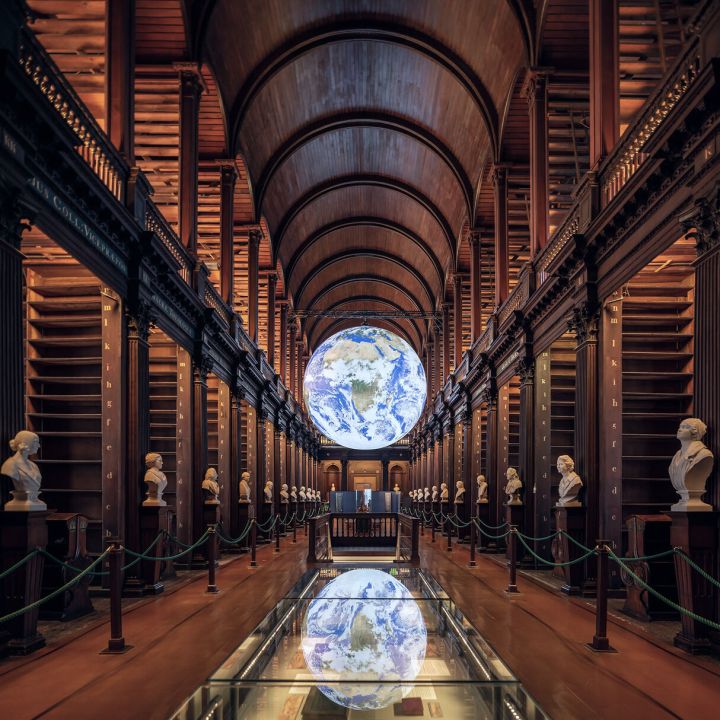
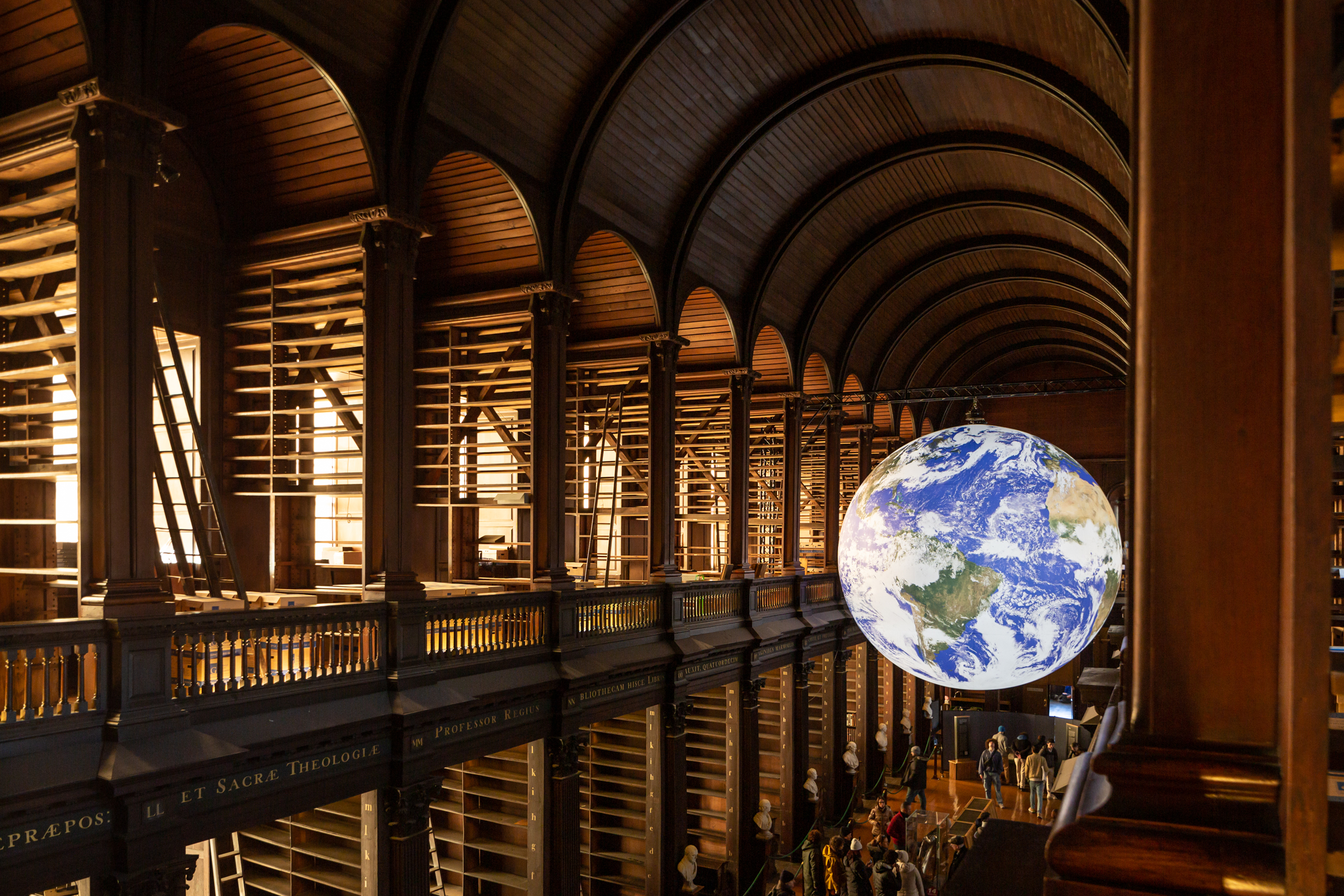
Dublin’s literary story goes far beyond Joyce, Beckett and Rooney. Bram Stoker, also a Trinity graduate, drew on the city’s Gothic atmosphere when writing Dracula. At the heart of the university is the Book of Kells, housed in Trinity’s Old Library as part of the Book of Kells Experience.
Literary landmarks around Trinity College Dublin
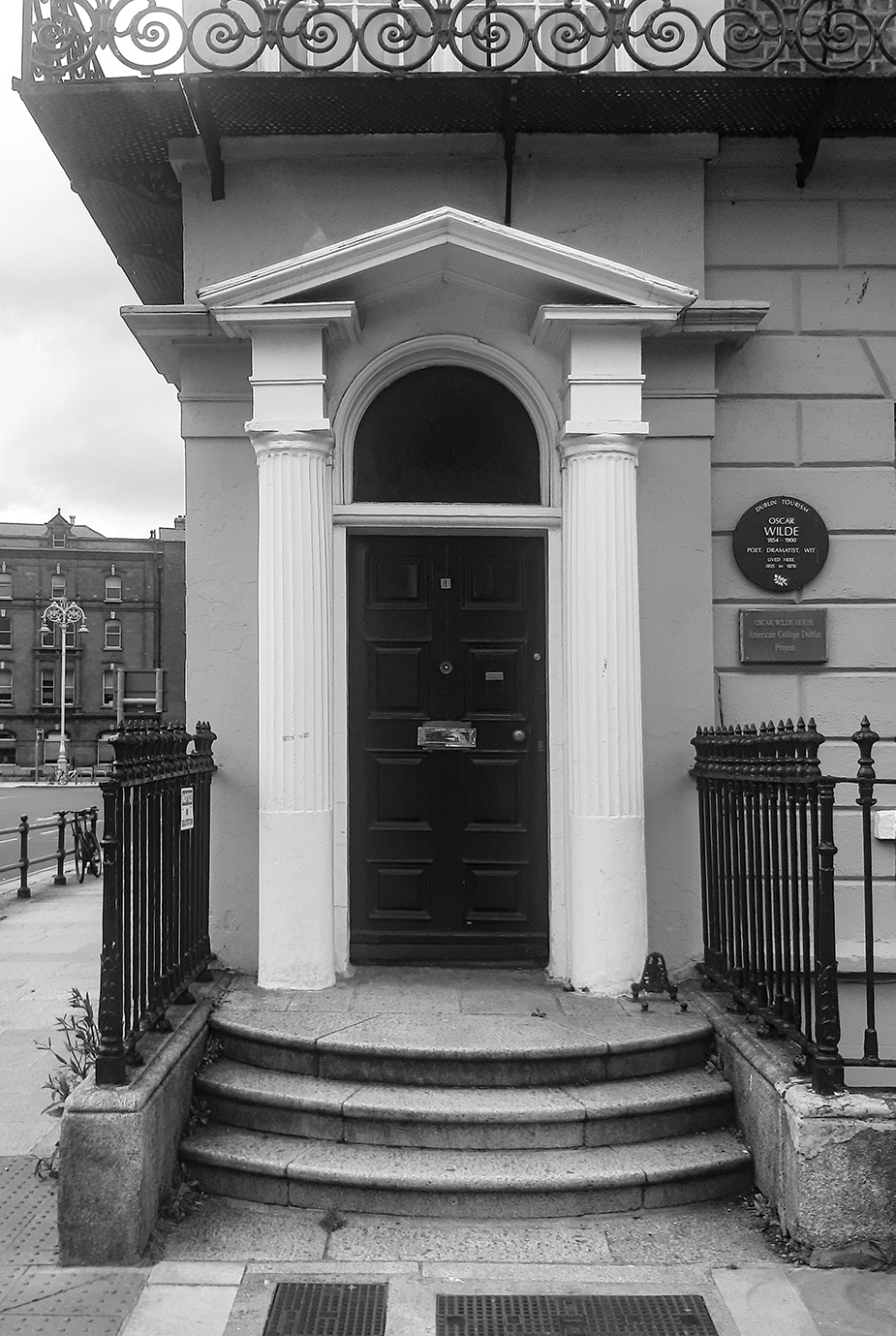
Trinity College Dublin anchors Dublin’s literary heritage and spans a short walkable area. Grafton Street and Nassau Street connect the university to the National Library of Ireland, where W.B. Yeats conducted much of his research. Nearby Kildare Street and the Abbey Theatre reflect the Irish Literary Revival and the development of modern Irish drama. A short distance away, Oscar Wilde’s childhood home is in Merrion Square and the surrounding Georgian streets remain an urban backdrop familiar to generations of writers. These streets and landmarks allow visitors to trace the footsteps of Ireland’s writers across time. Within a short walk, centuries of literary history unfold side by side. Plan your visit here.
Why walking is the best way to experience literary Dublin
A guided Trinity Trails walking tour is the perfect place to start.. It is a fun and interesting way to see Ireland’s oldest university, a historic centre of Irish and literary life. Led by knowledgeable and enthusiastic student and alumni tour guides, the tour is €16 and only 45 minutes long. The tour is an experiential layer that weaves fascinating stories and stunning grounds together in the city centre campus. Guided tours offer access to areas of the campus normally closed to the public, revealing the architectural and scholarly spaces that shaped generations of writers. Come see it for yourself, book a walking tour here.