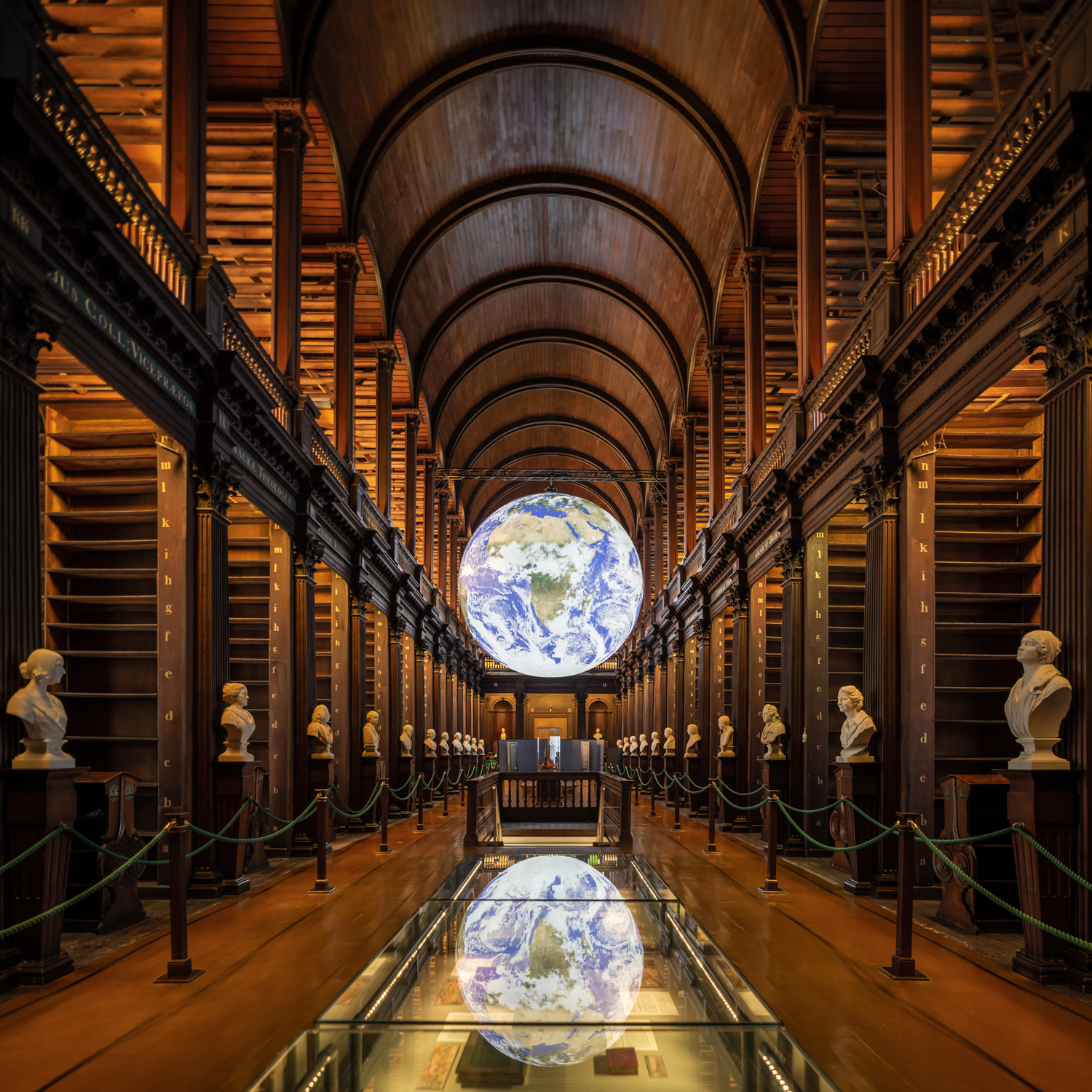
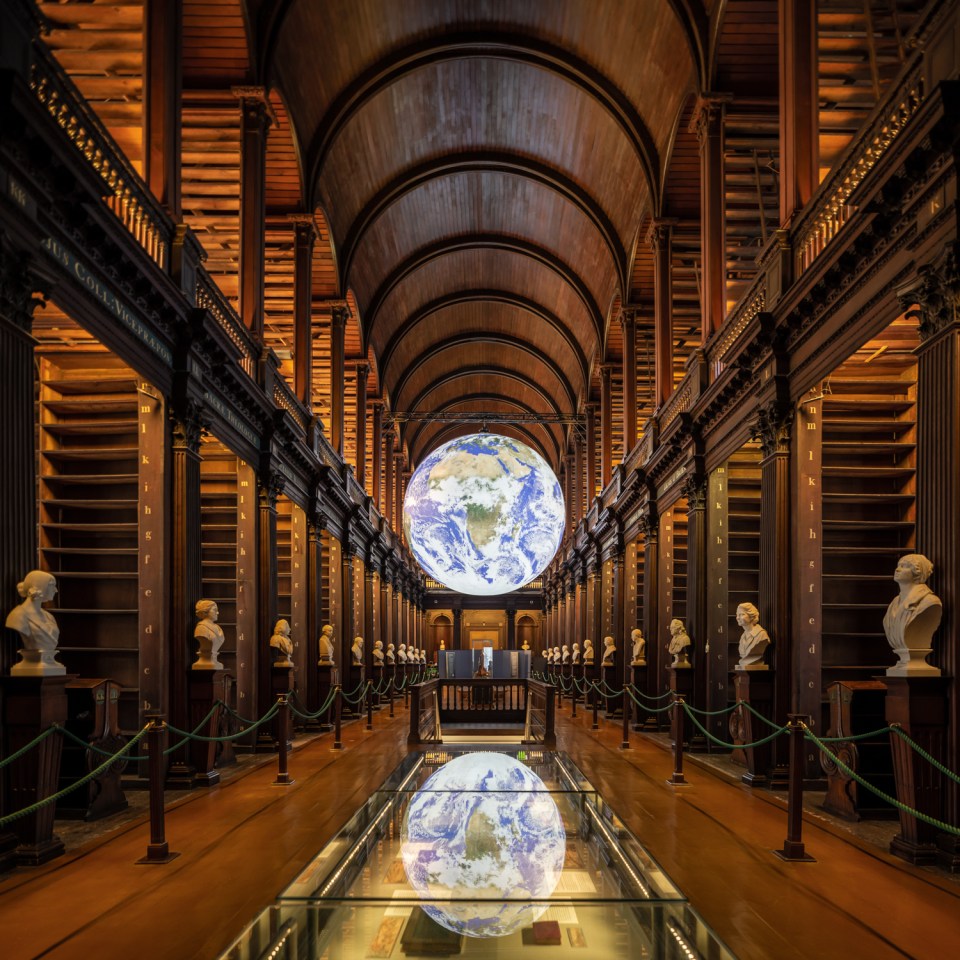
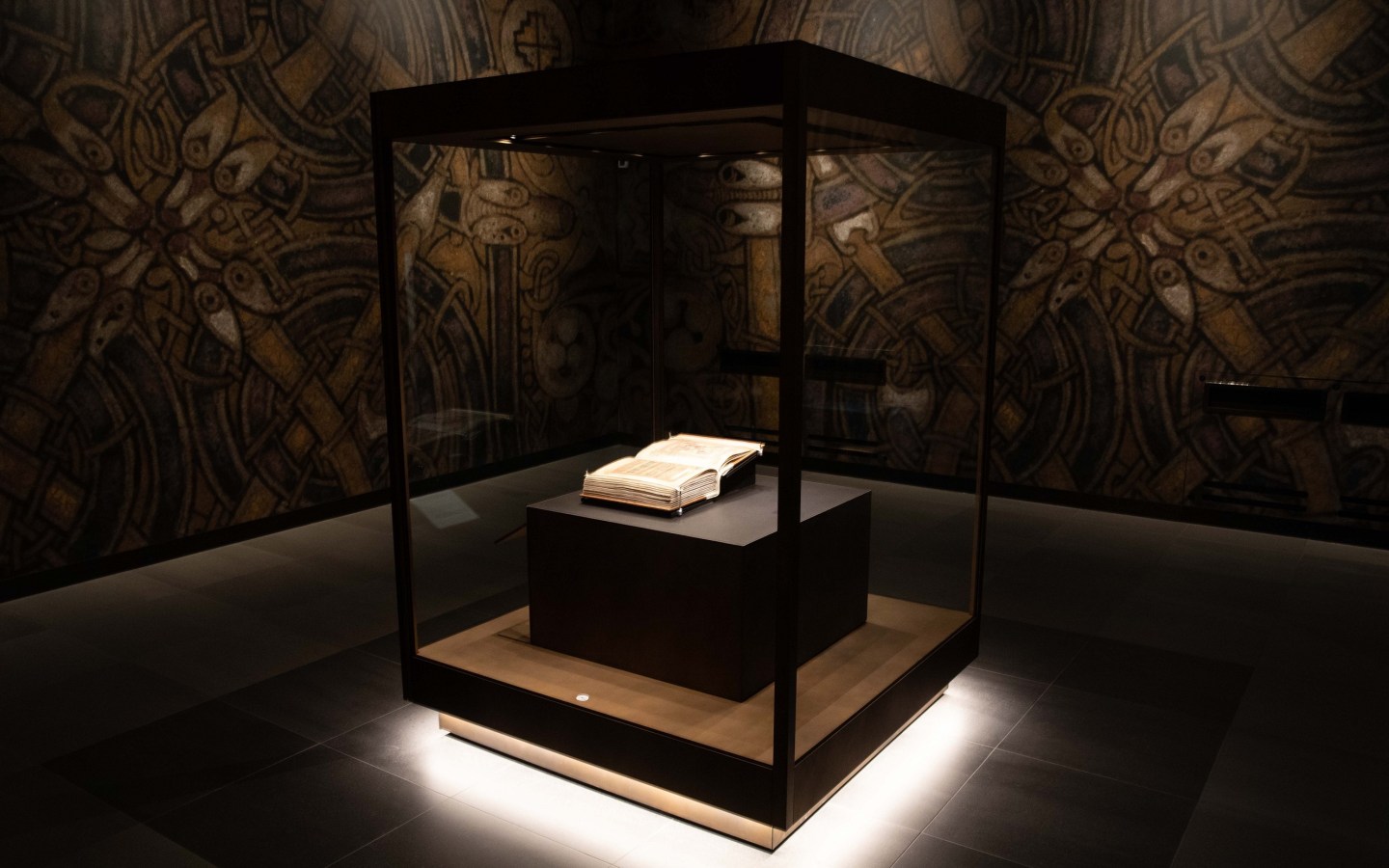
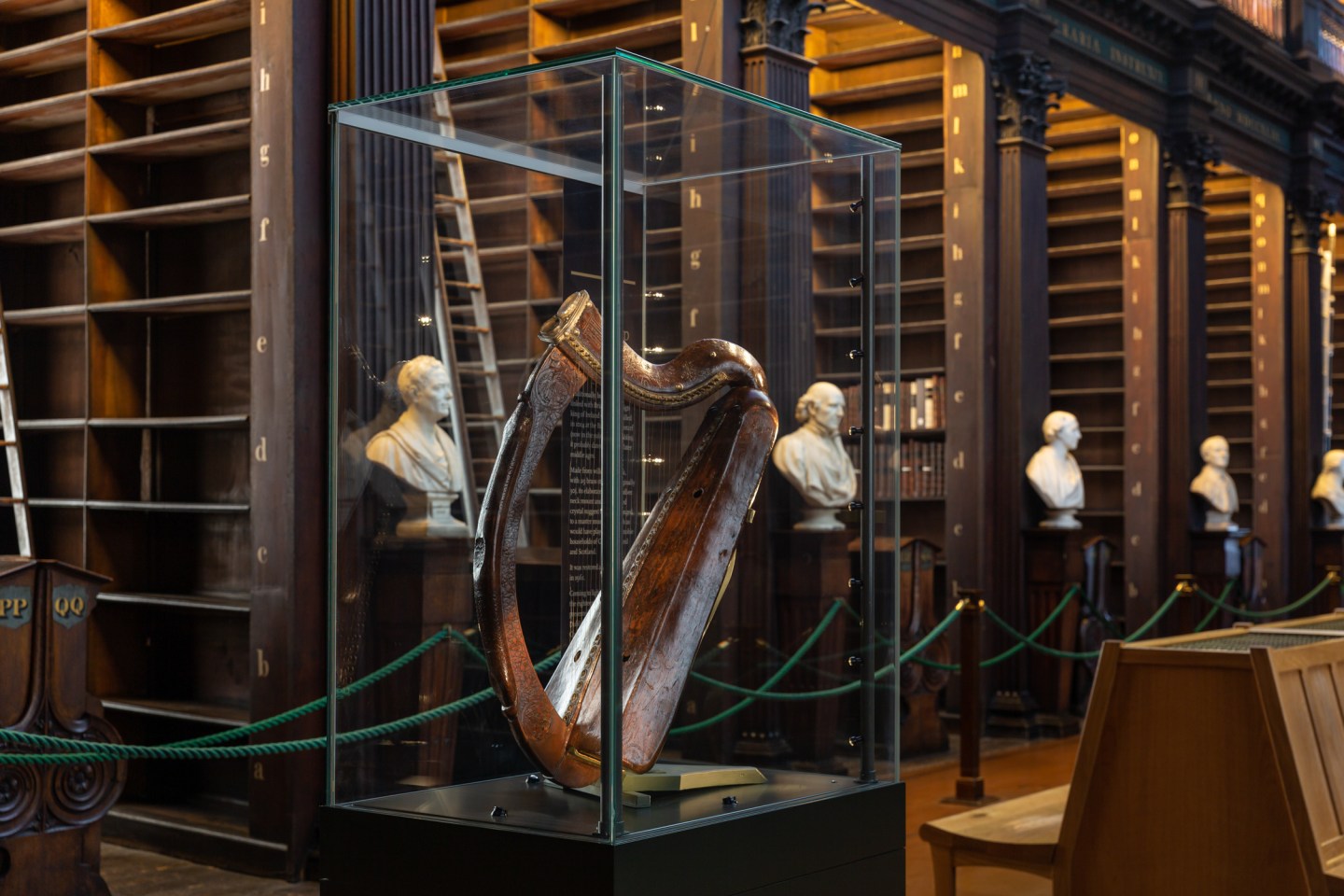
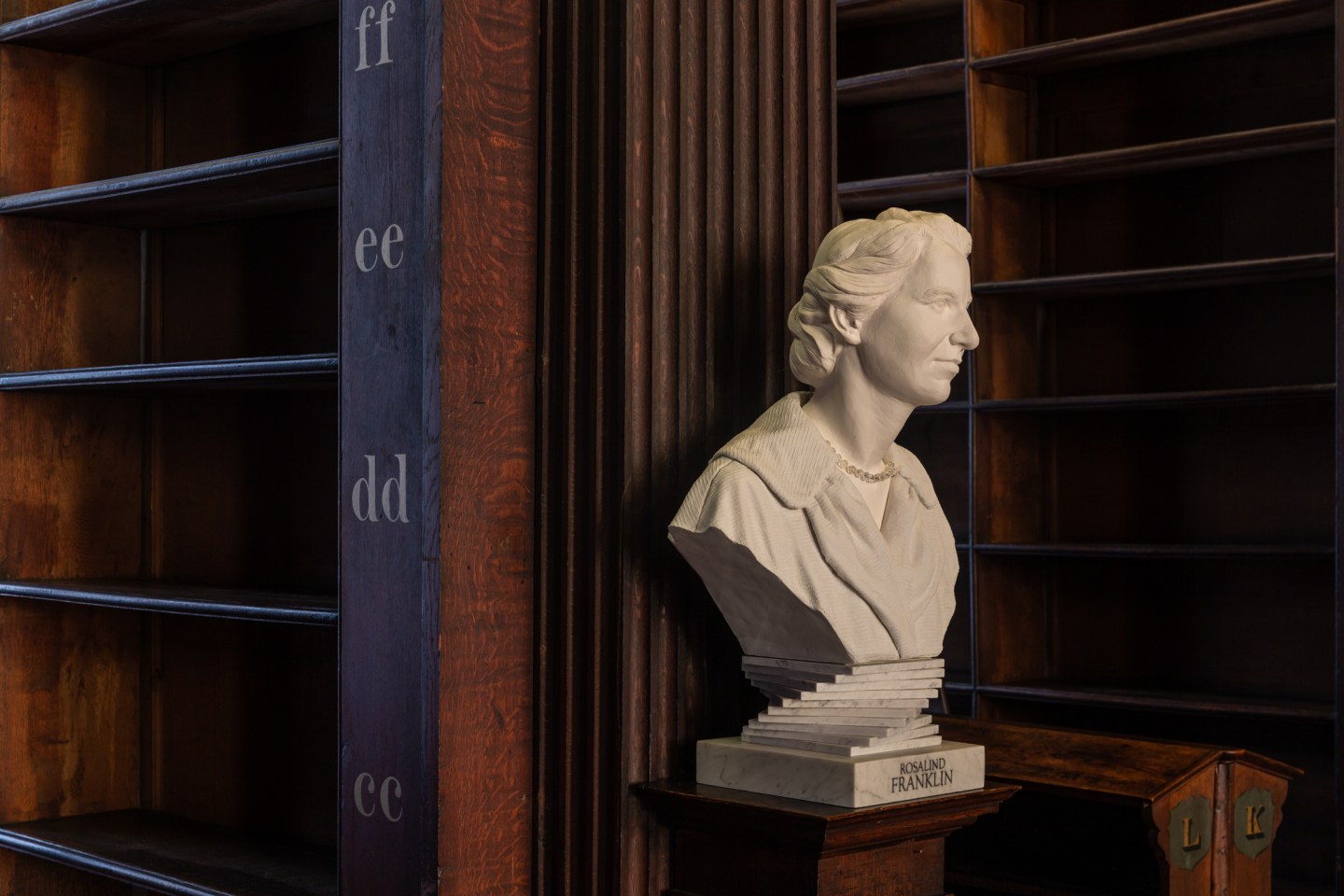
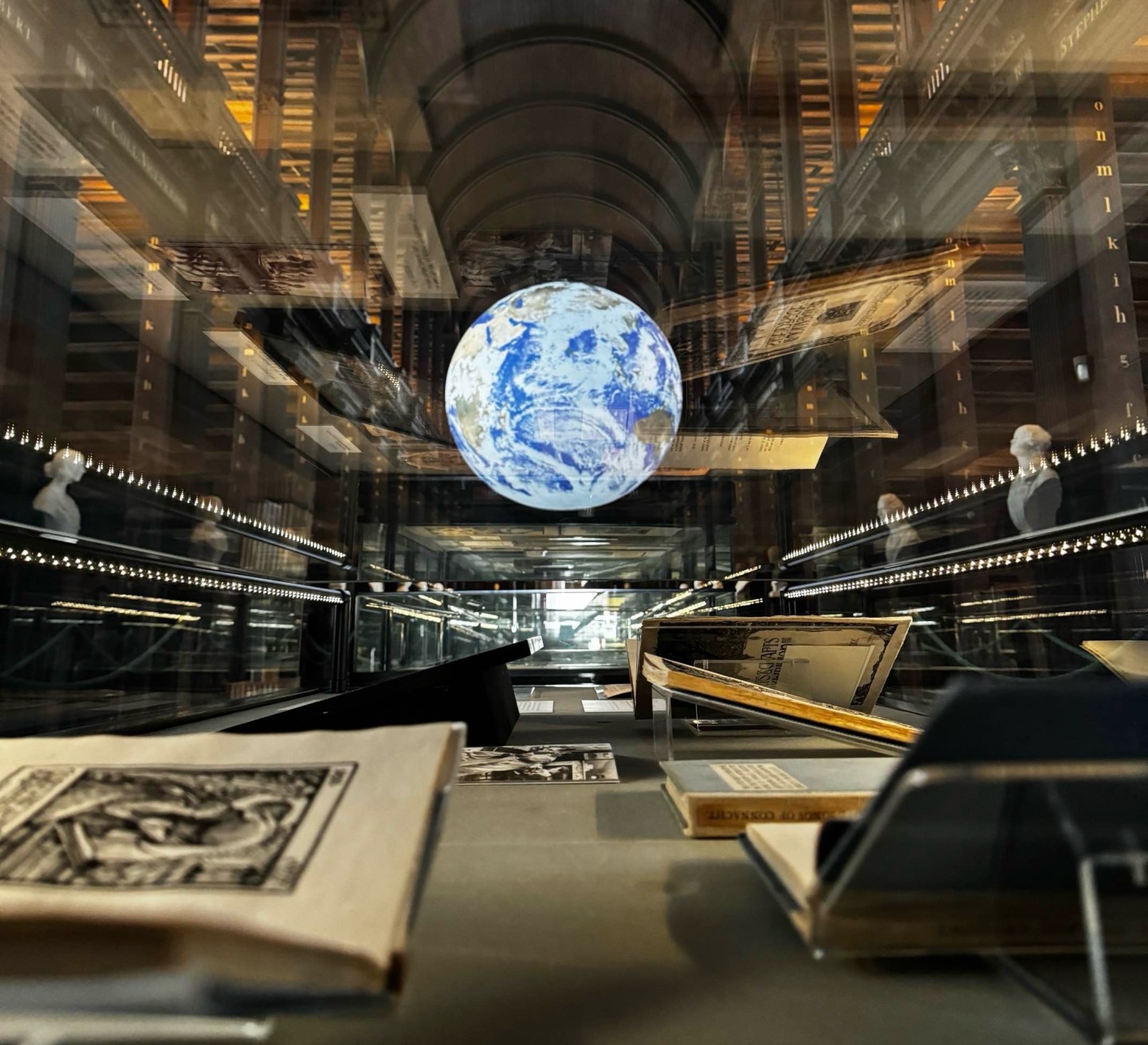
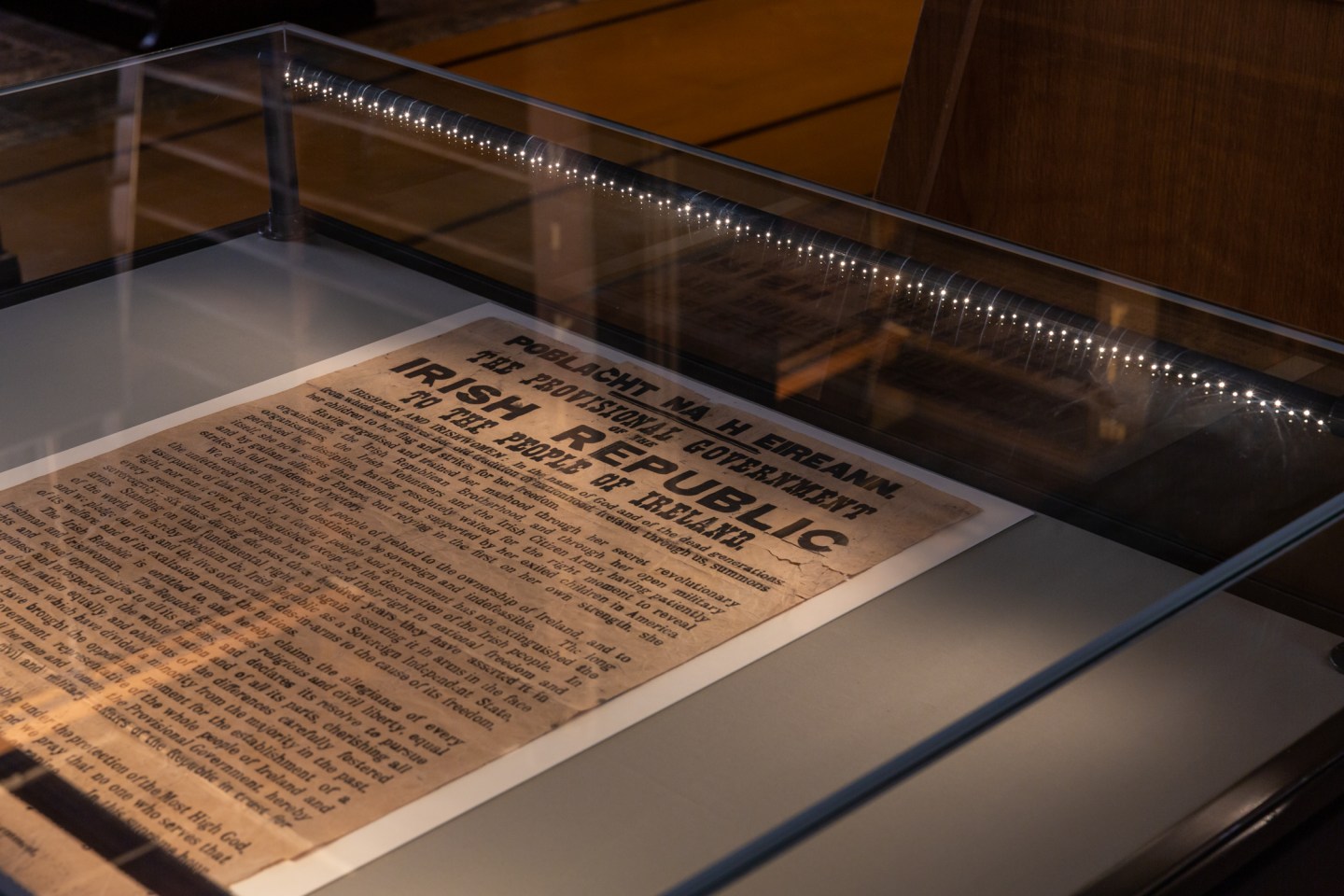
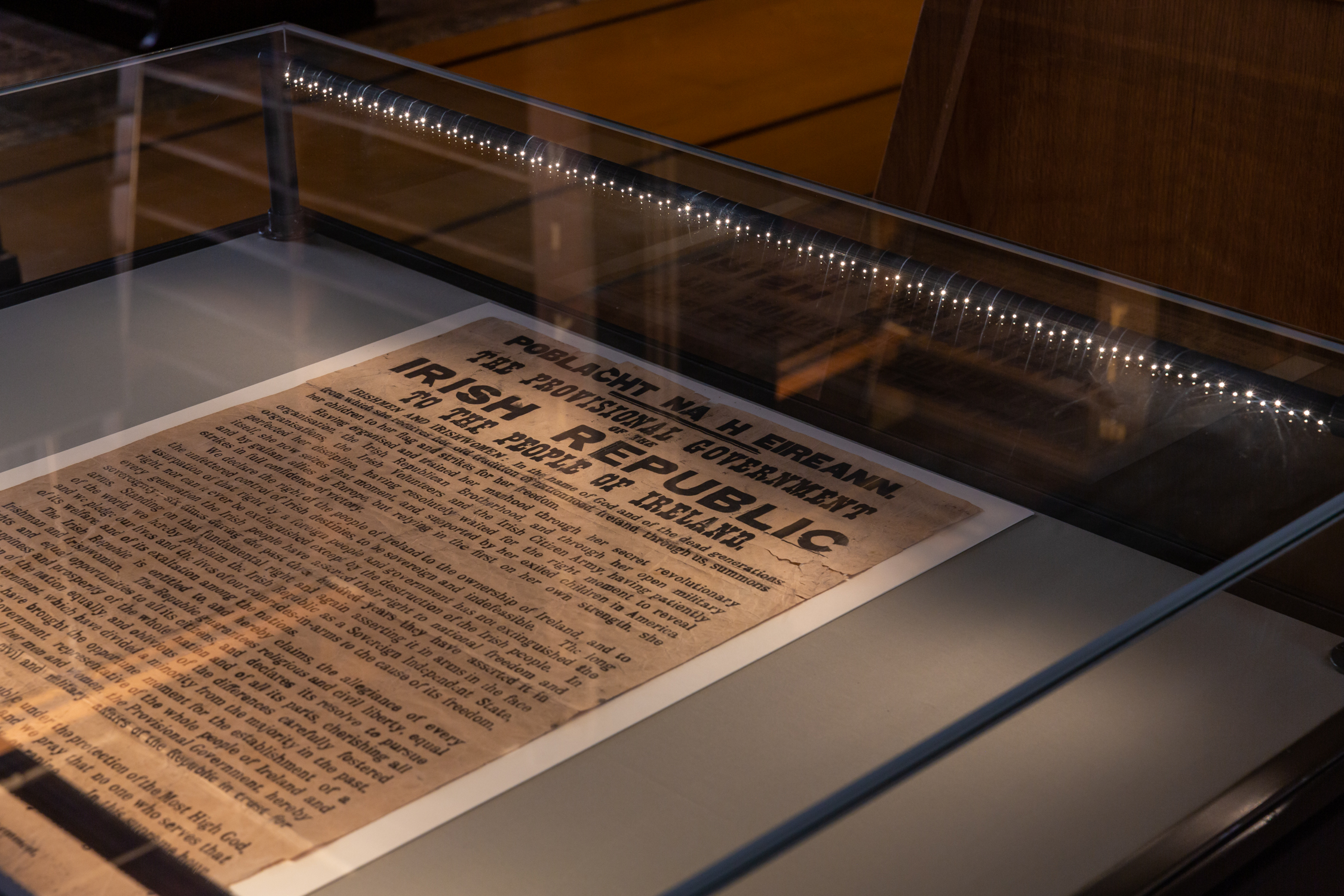
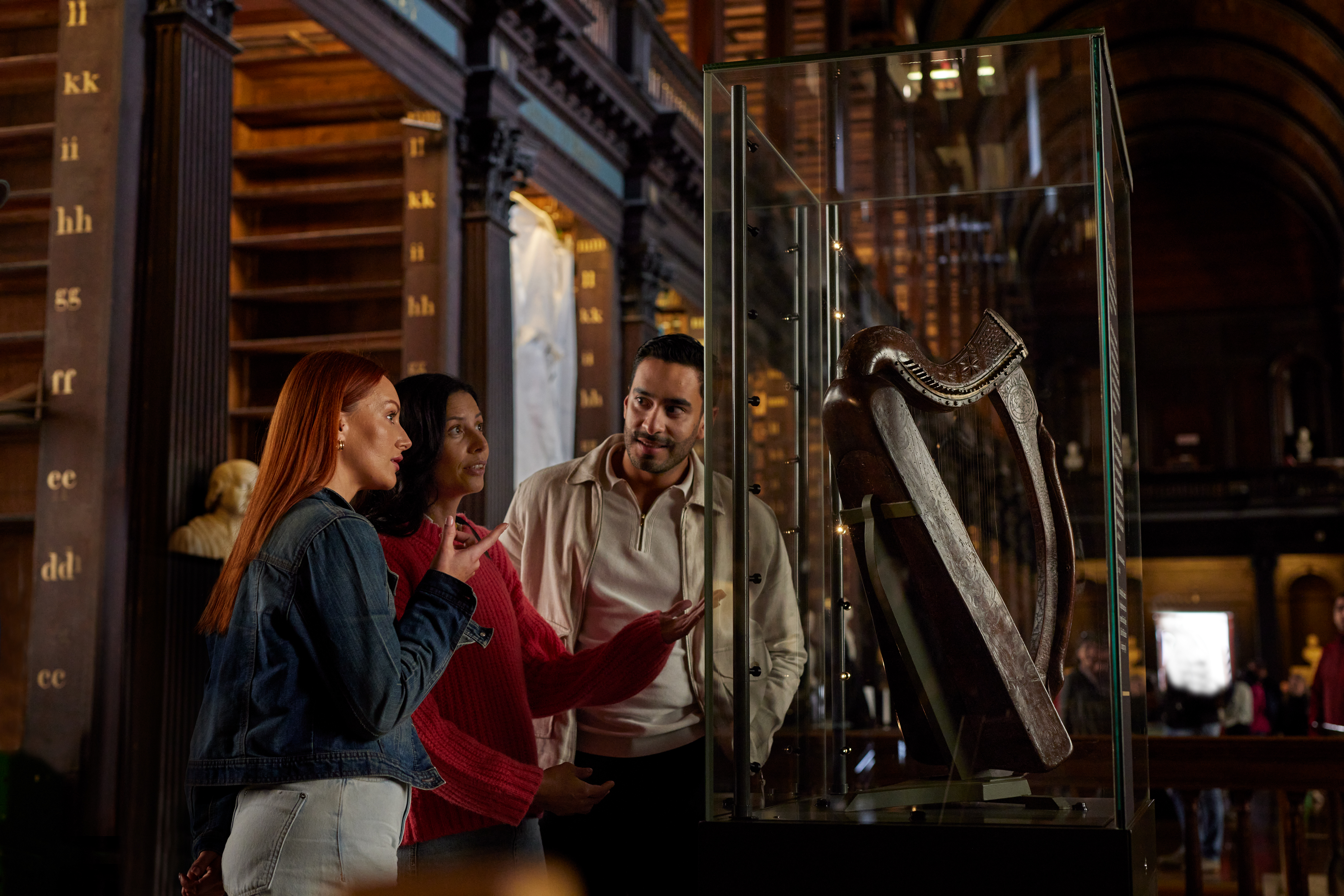
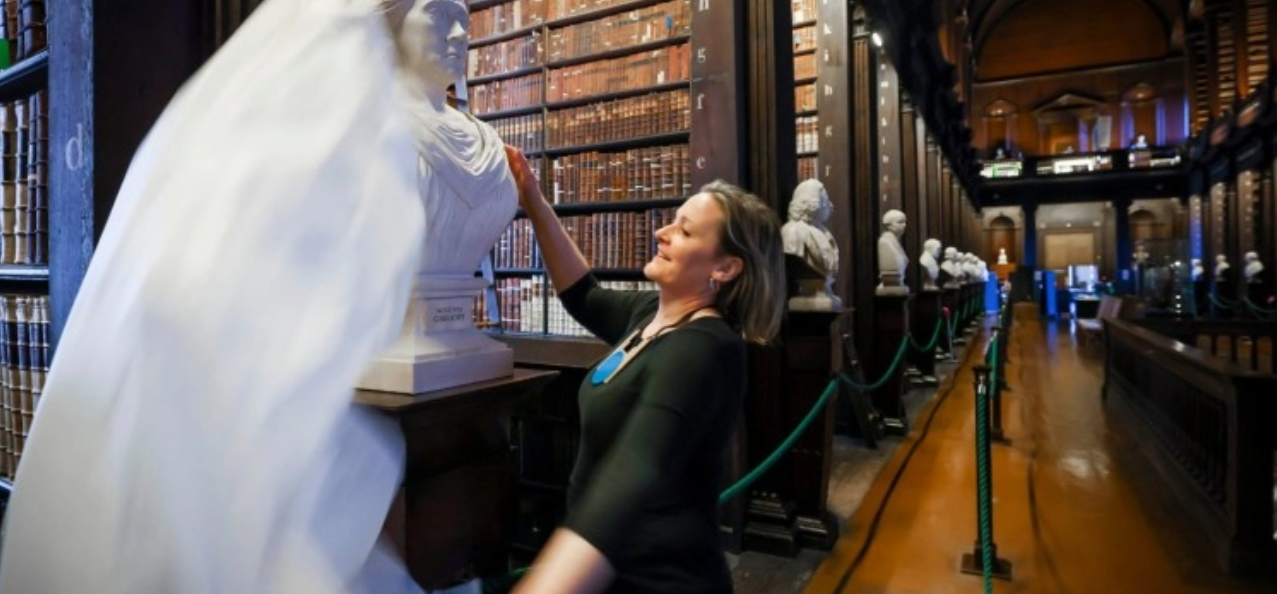
The Long Room is a masterpiece of architecture and scholarship, a cornerstone of Ireland’s history and one of the most admired cultural landmarks in Dublin. For over three centuries, it has inspired writers, scholars, researchers and visitors from across the world, standing in the grand heart of Trinity College Dublin’s Old Library.
Origins and Design
Construction of the Long Room was completed in 1732, and originally featured a flat ceiling and single level shelving. Designed by Thomas Burgh, the building echoed the classical style of great European libraries. Forty alcoves lined with oak shelves created the first structured storage for Trinity College Dublin’s growing collections. Books and manuscripts were transferred from the Old Library, but they filled only a small section of the building’s space. Over time the Long Room became home to Trinity College Dublin’s oldest books, including precious early editions that trace Ireland’s academic and cultural evolution.
By the 1840s, the university was receiving thousands of books annually, mainly through the 1801 Copyright Act, which granted Trinity College Dublin a copy of every book published in the UK and Ireland. To house the growing collections, the roof was raised, and the famous barrel vaulted ceiling was added in 1861, creating the soaring chamber that visitors see today. New upper galleries, transverse bookcases, and hidden storage beneath the windows greatly expanded capacity, allowing the Long Room to hold 200,000 volumes.
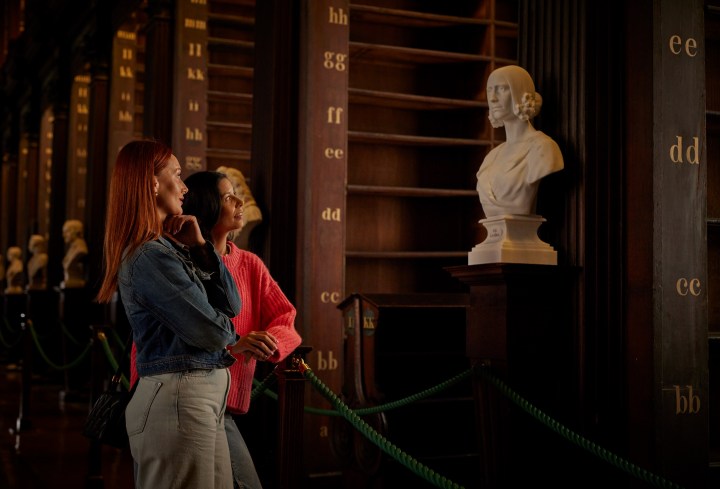
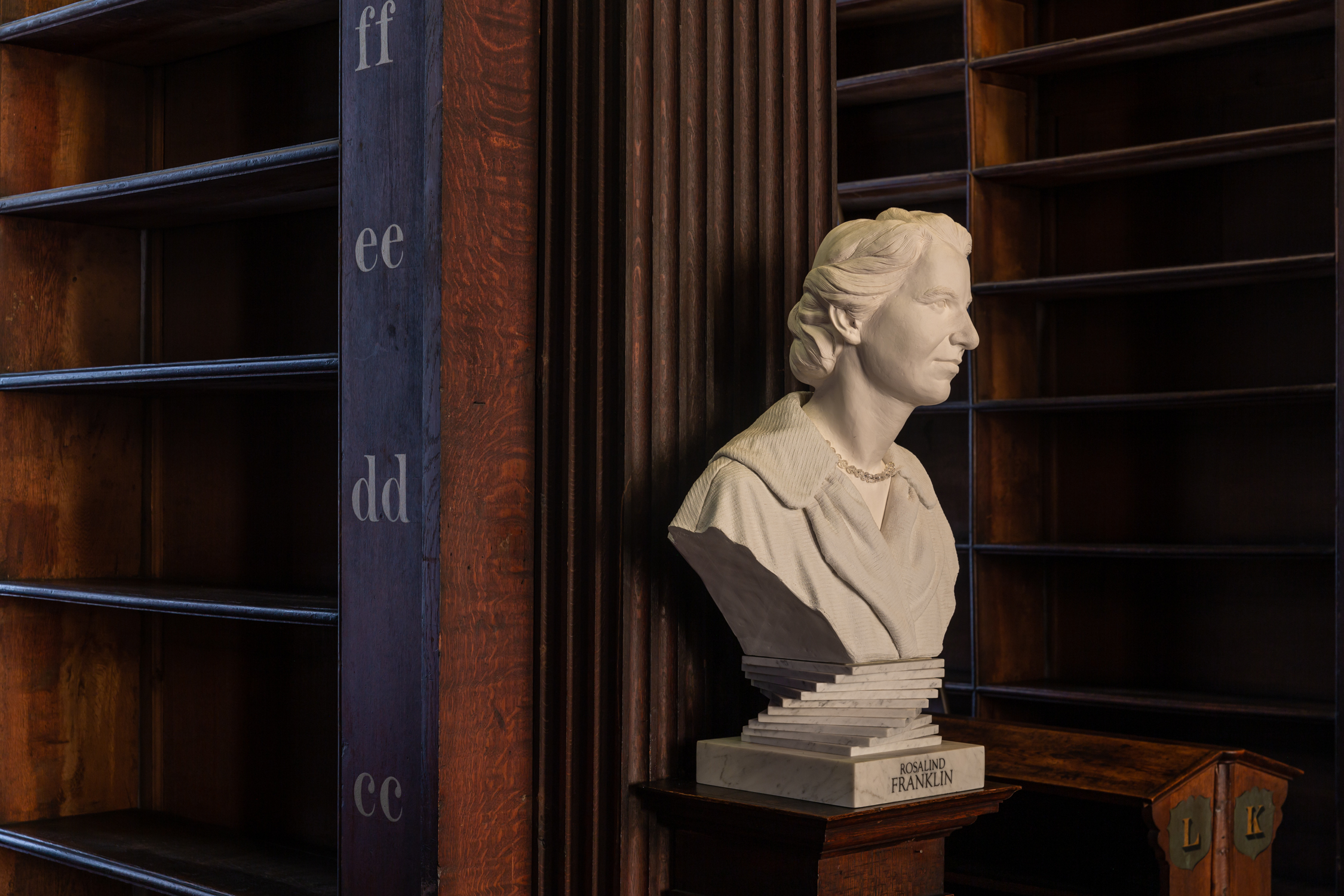
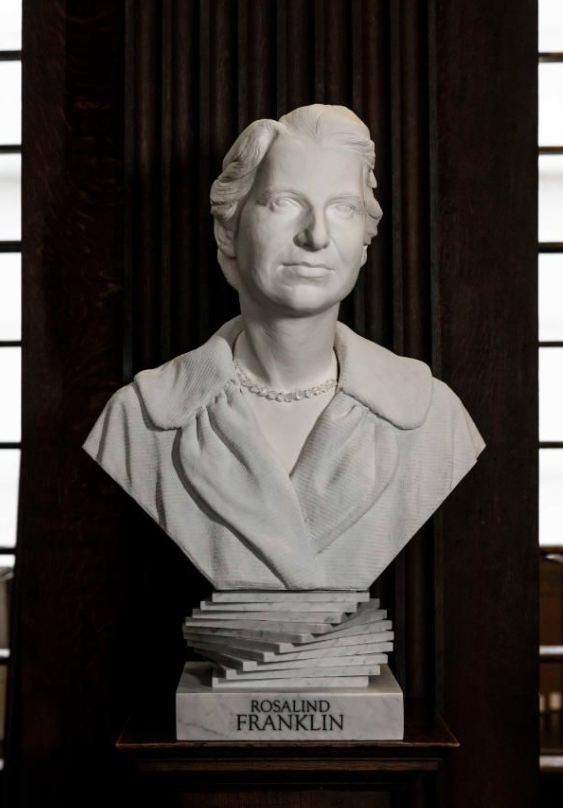
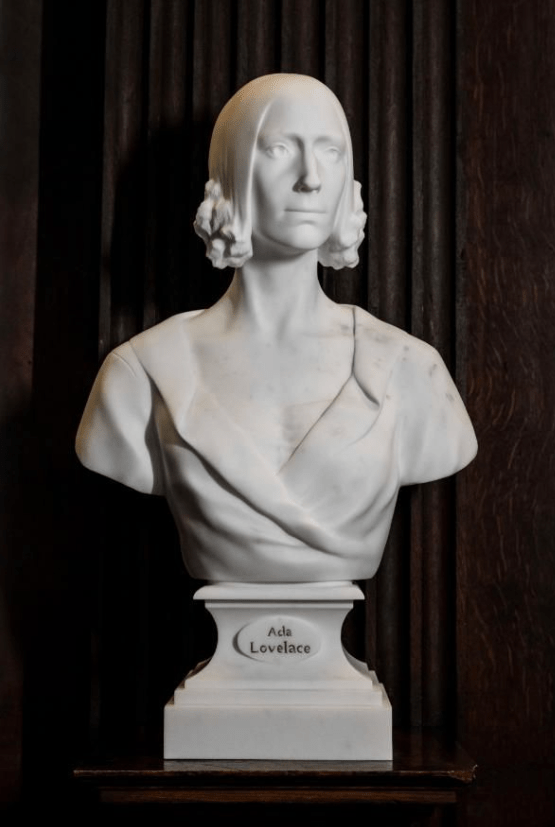
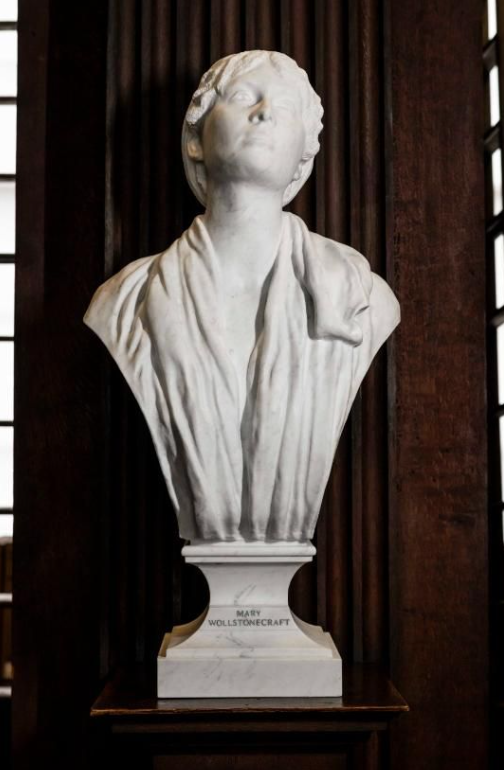
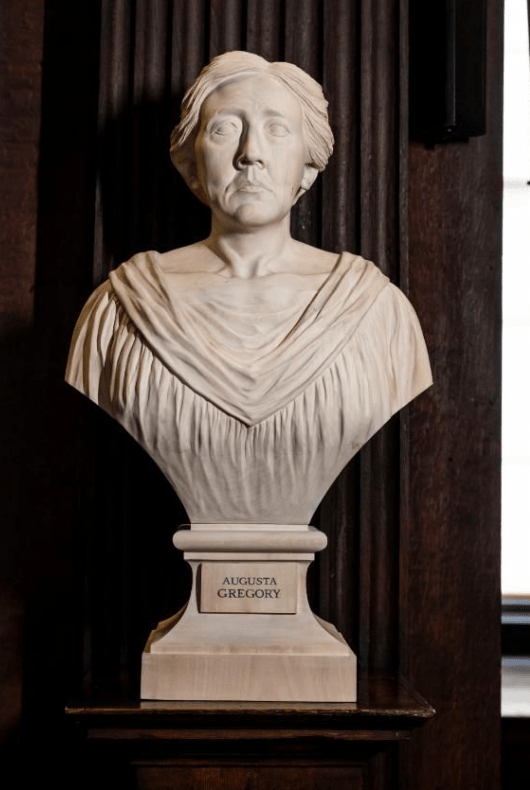
The marble sculpture collection began in 1743, forming Ireland’s oldest continuous series of sculpted portraits, featuring philosophers, writers and key figures in scholarship.